
Sur les traces de la forêt : le projet PABEF poursuit son suivi scientifique à Conkouati-Douli
Dans le cadre de sa collaboration avec le Parc National de Conkouati-Douli, le projet de recherche PABEF poursuit ses travaux de suivi des parcelles de végétation afin de mieux comprendre la dynamique des écosystèmes forestiers et les effets des perturbations anthropiques sur leur fonctionnement.
English version below


Depuis 2024, le Parc National de Conkouati-Douli collabore avec le projet de recherche PABEF – «Quantification des impacts des perturbations anthropiques sur les relations biodiversité-fonctionnement des écosystèmes forestiers en Afrique centrale », porté par l’Université Marien Ngouabi.
Dans le cadre de cette collaboration, le Parc accueille pendant plusieurs semaines des équipes composées d’étudiants et de chercheurs, mobilisées pour mener des activités de recherche etassurer le suivi de parcelles de végétation.
Ces travaux s’inscrivent dans une démarche de suivi scientifique à long terme. Ils permettent de recueillir des données sur la végétation et son évolution, afin de mieux comprendre le fonctionnement des écosystèmes forestiers et les changements qui peuvent intervenir au fil du temps.
En 2025, une première mission avait notamment permis l’installation de trois parcelles de suivi de la végétation dans la zone de Doffy 2, vers le Camp Mamar. La mise en place de ces parcelles constitue une étape importante pour assurer un suivi régulier et produire des données comparables dans le temps.
Lors de leur nouvelle mission au sein du Parc, les équipes du PABEF ont procédé au re-mesurage des parcelles installées précédemment. Cette opération consiste à reprendre les mesures selon les protocoles scientifiques établis afin d’identifier les éventuelles évolutions de la végétation depuis la première campagne.
Le re-mesurage constitue ainsi une étape essentielle du suivi. En répétant les observations à intervalles réguliers, les chercheurs peuvent mieux documenter la dynamique de la forêt, notamment les changements liés à la croissance, à la mortalité ou au renouvellement des arbres.
Au-delà de la collecte de données, cette collaboration contribue également au renforcement de la recherche scientifique au sein du Parc National de Conkouati-Douli. Elle offre aux étudiants et aux chercheurs l’opportunité de mener leurs travaux dans un espace forestier caractérisé par une importante diversité biologique, tout en contribuant à l’amélioration des connaissances sur ses écosystèmes.
Les données produites dans le cadre du projet PABEF pourront à terme contribuer à une meilleure compréhension des relations entre biodiversité, fonctionnement des écosystèmes et perturbations anthropiques. Elles constituent également une ressource scientifique importante pour accompagner les réflexions et les décisions liées à la conservation et à la gestion des écosystèmes forestiers
À travers ce partenariat, le Parc National de Conkouati-Douli et l’Université Marien Ngouabi poursuivent ainsi un objectif commun : mieux connaître les écosystèmes forestiers pour mieux comprendre leur évolution et contribuer à leur conservation sur le long terme.
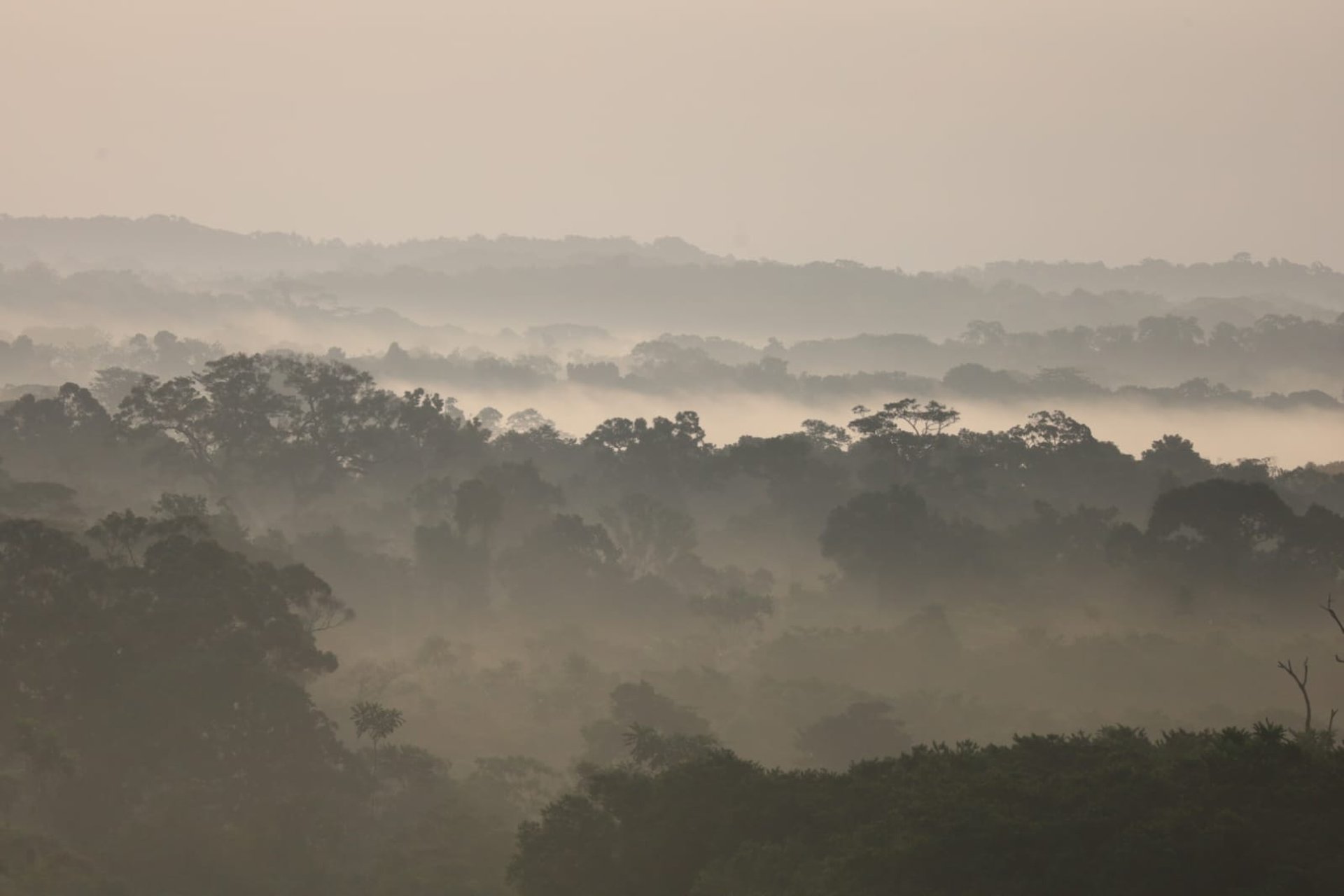
At the heart of the forest, scientific monitoring continues with the PABEF project
As part of its collaboration with Conkouati-Douli National Park, the PABEF research project is continuing its vegetation plot monitoring activities to improve understanding of forest ecosystem dynamics and the effects of anthropogenic disturbances on their functioning.
Maryleine Louemba, Marketing and Communication Assistant
September 2026


Adresse bureau de liaison
48 Avenue Ngouedi (derrière les assurances AGC)
Centre Ville, Pointe Noire